
The Rivers We Guide
Four world-class drainages within minutes to an hour (or more) of Missoula.
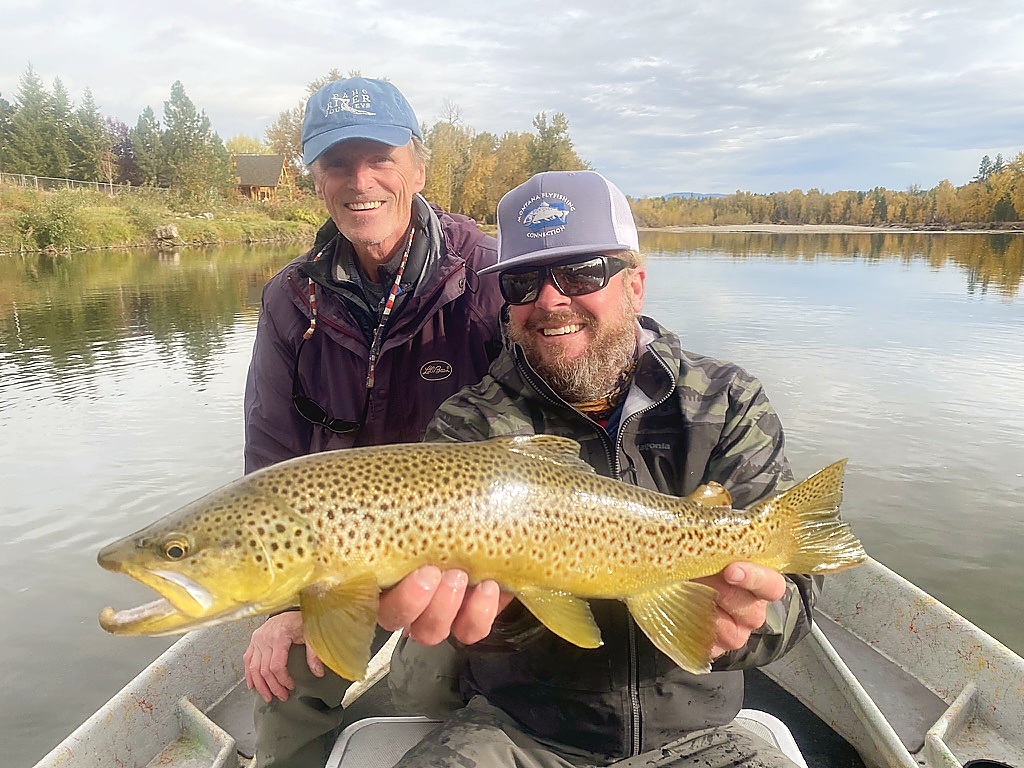
Freestone • Brown, Rainbow, & Westslope Cutthroat
The Bitterroot River
Flowing north through the spectacular Bitterroot Valley, the Bitterroot is our first river to come alive each spring. When water temperatures tick into the mid-40s/low 50s in late February and March, the Skwala stoneflies begin to emerge — and the dry fly action that follows is some of the best anywhere in Montana.
The Bitterroot offers remarkable variety. Its braided upper and middle sections provide great structural fishing, riffles, and variable pace, while the lower valley stretches open up into wide, sweeping runs perfect for head hunting or pushing dries for big fish tight to wood and rock. It’s a river that rewards different techniques across different times of the season. Remains one of my favorite rivers to row and fish in Montana.
Come summer, PMD and caddis hatches keep fish looking up through September. In fall, large brown trout stage in the deeper runs ahead of spawning, and streamer fishing can produce fish of a lifetime.
Best Season Windows
Target Species
Signature Hatches
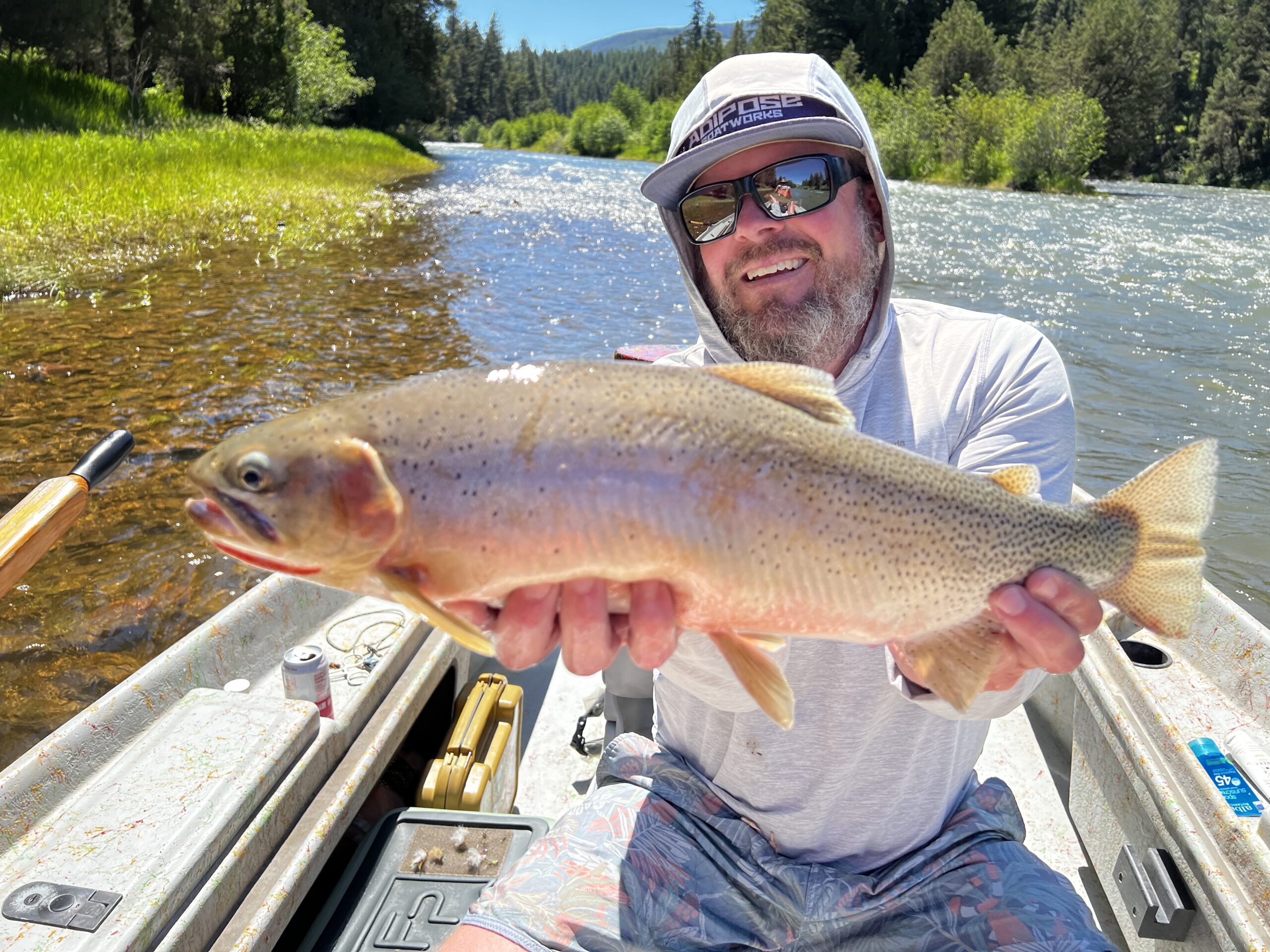
Freestone • Westslope Cutthroat, Browns, and Rainbows
The Blackfoot River
Norman Maclean made the Blackfoot famous. Over two decades of fly fishing it have allowed me to connect with the river in the same way. Every boulder garden, every canyon wall, every feeding lane that the novel’s readers dream about come to life when floating this river. This is not a gentle river — it’s fast, powerful, and demands respect.
The Blackfoot is one of our best early summer dry fly and dry-dropper water. Westslope cutthroat trout are aggressive, beautiful, and native — fishing for them here feels like something true about Montana that most visitors never get to access. The early summer timeframe also gives anglers a legit shot at big browns on big dries and heavy tippet, before they become more nocturnal as the summer heat and low water approaches.
The Blackfoot is a river that gives back in proportion to what you put in, and the beauty of the corridor provides a complete experience. Definitely a gem of western Montana.
Best Season Windows
Target Species
Signature Hatches
Streamers and occasional skwalas (Spring); Salmonflies, golden stones, caddis, green drakes (June/July); Terrestrials and October caddis (September-October)
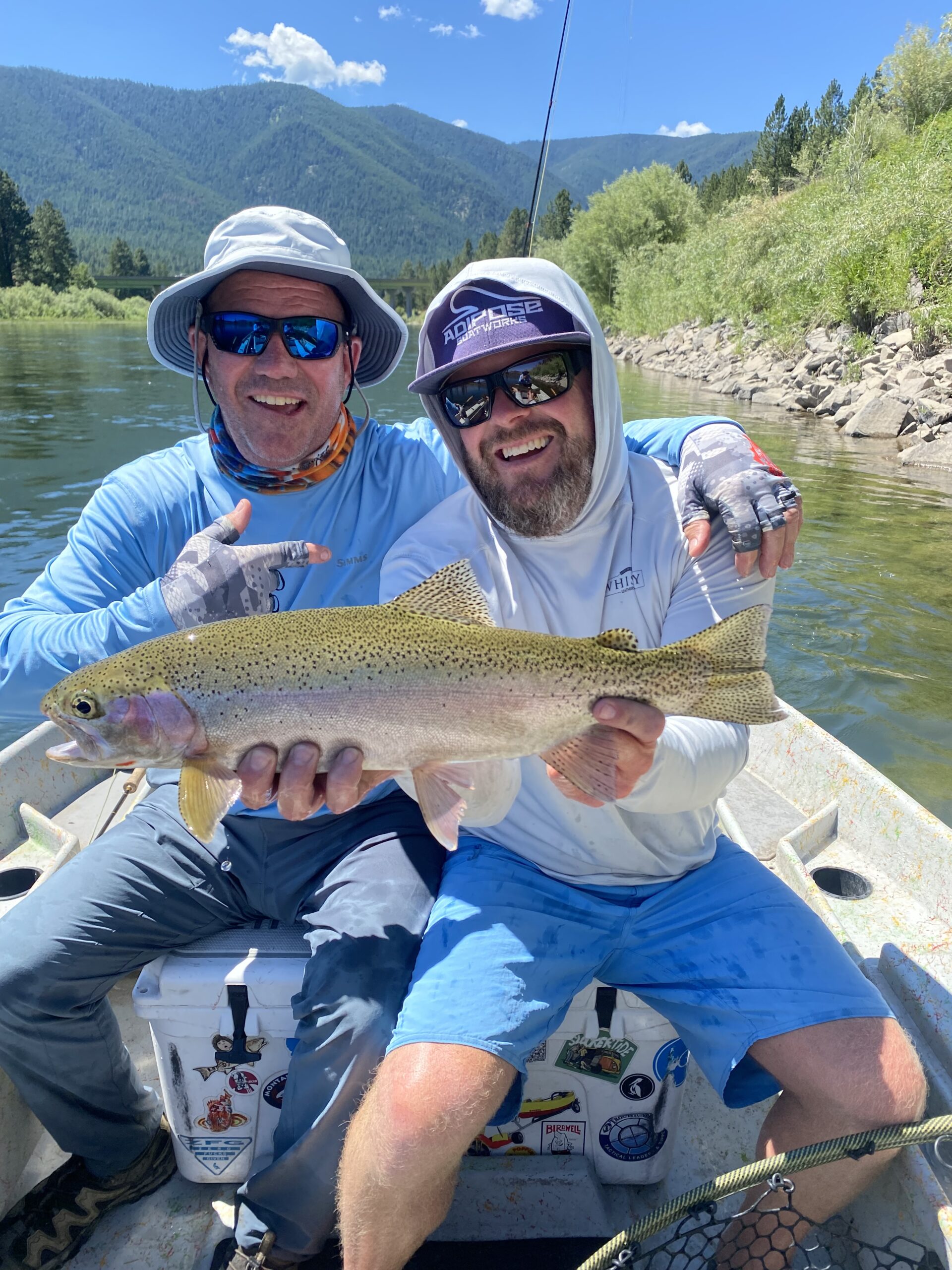
Freestone River • Rainbows, Browns, and Westslope Cutthroat
The Clark Fork River
The Clark Fork is Missoula’s river. It runs right through the heart of town, and I have been experiencing its moods and currents for most of my adult life. The Clark Fork is the least heralded, but it doesn’t need to apologize. It has become the favorite of many visiting anglers through the years. It’s the largest river in the area by volume, and that size means it sometimes requires a different approach than most freestones. The upper river resembles very little similarity to the lower, and that difference in character can provide much different fishing on any given day depending on the stretch floated.
In early spring, before runoff pushes visibility down, the Clark Fork offers some of the potentially best dry fly fishing of the year. Large rainbows, cutthroat and browns, are legitimately possible, and the best part is the watershed can be much quieter in terms of anglers and boat traffic. Come summer, the river still gives it up on a progression from large stoneflies in June to potential headhunting on small dries, or simply pushing a large foam bug for big eats for most of the season. Obviously dry/dropper fishing is a common tactic as well.
Fall can often times be the Clark Fork’s finest season. Dropping temperatures trigger mahogany duns, BWOs, and October caddis activity, and the bigger fish continue to look up. Add in the quiet factor, the fall colors, and less people, and you realize the Clark is not to be forgotten or dismissed.
Best Season
Target Species
Signature Hatch
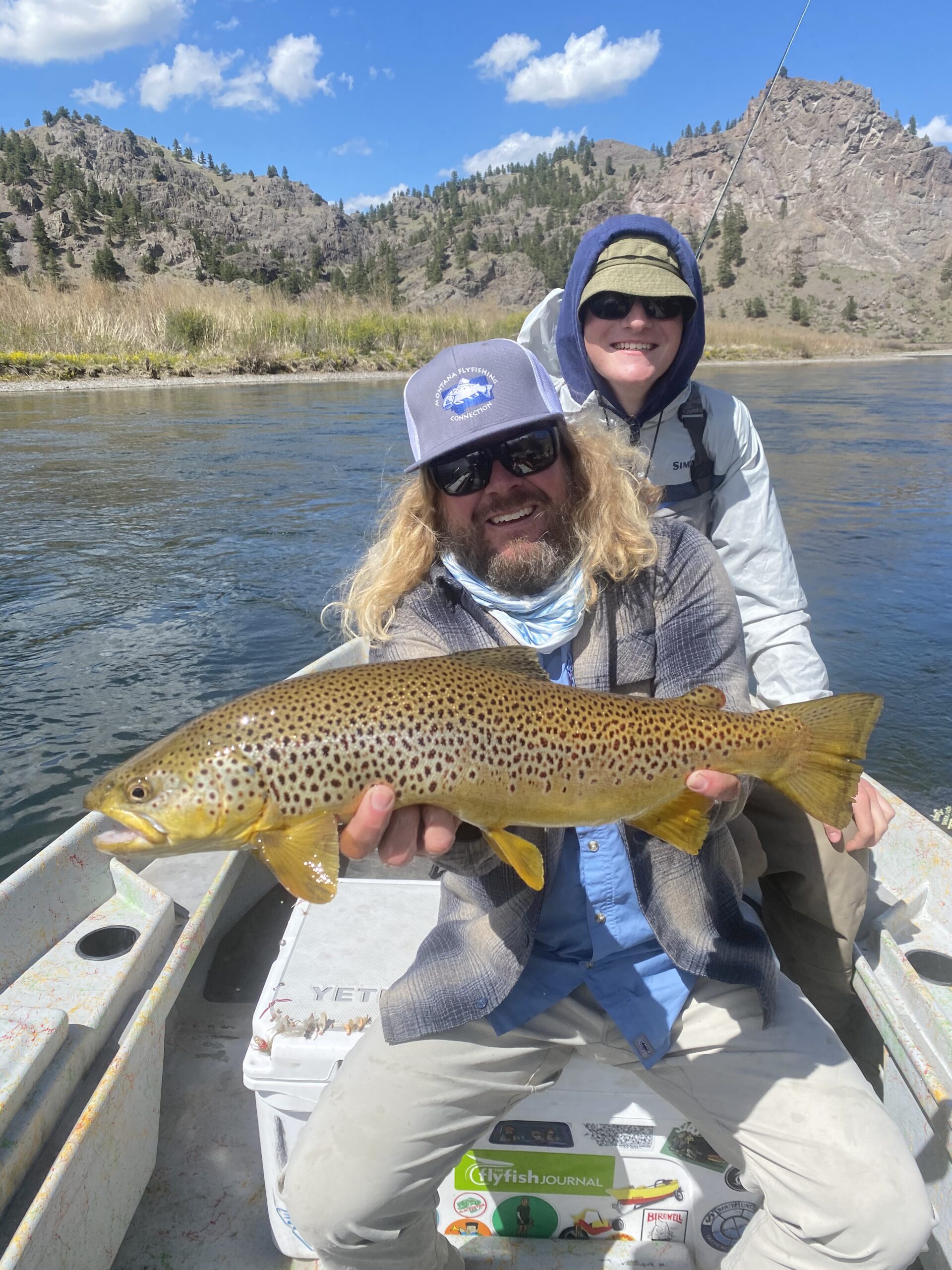
Tailwater • Trophy Browns & Rainbows
The Missouri River
A two hour drive over Rogers Pass brings us to one of the finest tailwaters in the world. The “Mighty Mo” below Holter Dam near Craig, Montana is renowned for its extraordinary density of large trout — fish counts in some stretches exceed 5,000 trout per mile. The question is never whether there are fish. It’s whether you can make them eat based on whatever approach is decided upon or most effective.
Missouri River fishing demands precision. These are highly pressured, educated trout that have seen every fly in the book. Long leaders, small flies, drag-free drifts measured in inches rather than feet — this is technical dry fly fishing at its highest level. I love that aspect of this fishery if folks want to approach it this way. What makes the Missouri fun, for me, is the myriad of ways it can be fished, whether headhunting sippers, dry/dropper fishing, or different nymphing techniques. It has a little bit of everything to offer.
We fish the Missouri primarily in spring when our freestones are heading into runoff (the BWO and “other” hatches coincide for potentially great dry fly action) and fall (when cooler temperatures bring the bugs back and the thick weeds on the river bottom begin to subside).
Best Season Windows
Target Species
Signature Hatches
BWOs, March browns, Caddis, PMDs, Tricos (and some secrets) (April-June); Terrestrials, BWOs (September-November
When to Come & What to Expect
Every month has something fishing well near Missoula, but I choose to only book half day trips on our local rivers from July 20th-August 15th each year. During that window of time it’s time to give the trout a break during the heat of the day. Oftentimes we find ourselves in “hoot owl” restrictions that time of year and fishing stops at 2pm, so I prefer early starts/early off during this time of the season. The resource has to mean more at this point, so we can protect these wild trout for future generations. Here’s a quick reference to ideal times.